Best Sunglasses for Driving: What to Look For
Delhi, India, Asia, Pacific and Middle East
Posted 71 views
Driving with the wrong sunglasses is genuinely uncomfortable. The glare off the road, the low-angle sun hitting your eyes right when you're about to take a turn — it's distracting, and honestly a bit dangerous. But not all sunglasses are built the same, and picking a pair just because they look cool can leave you squinting more than you were before.
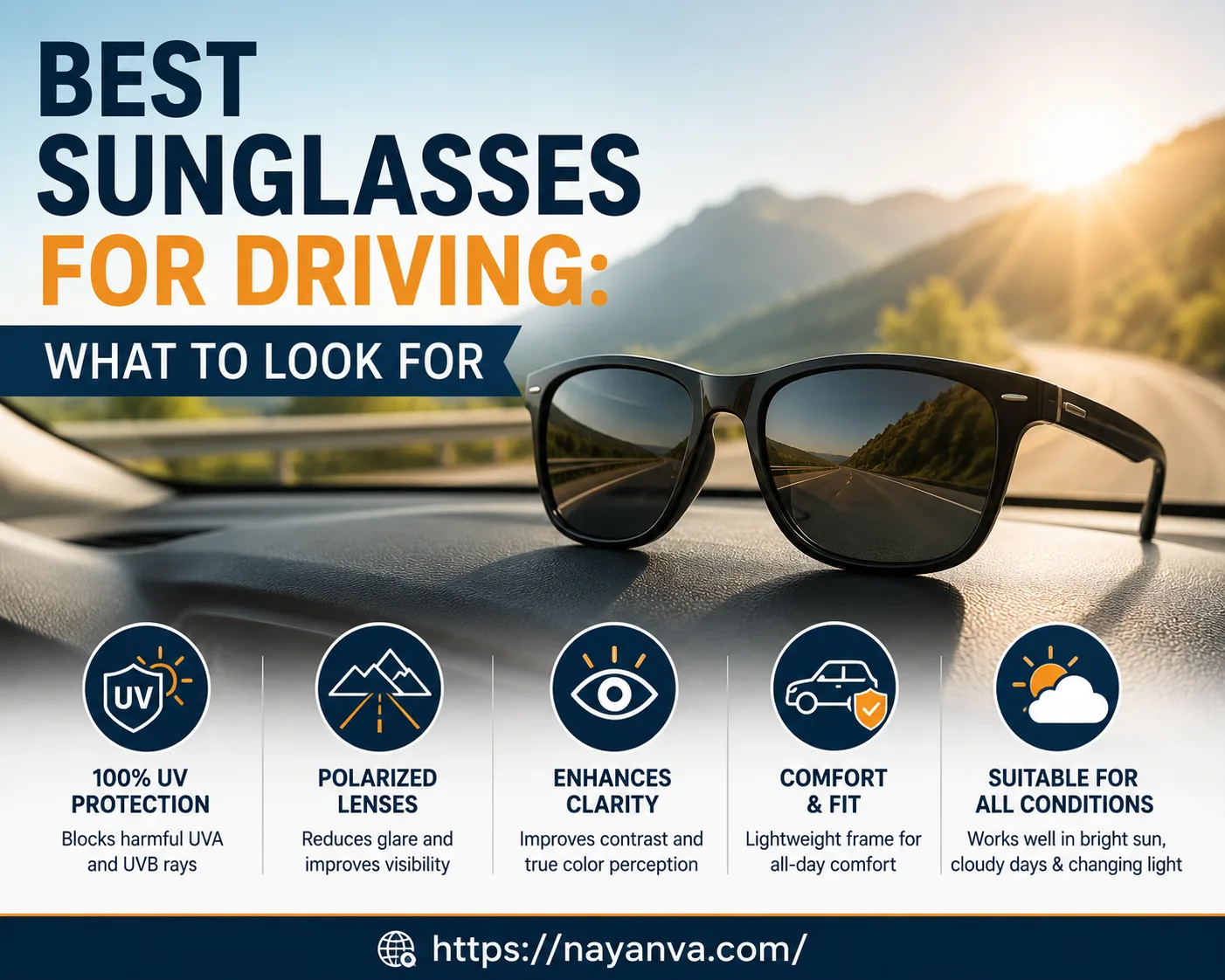
The single most important feature for driving sunglasses is polarization. Polarized lenses cut down on glare from flat surfaces like roads, car hoods, and wet pavement. If you've never tried polarized lenses while driving, the difference is actually kind of surprising. Everything looks clearer and less washed out, which makes it easier to stay focused.
Lens color matters more than most people realize too. Grey lenses are probably the most popular for driving because they reduce brightness without messing with color perception. You still see traffic lights and road signs accurately. Brown or amber lenses work well on cloudy or overcast days — they enhance contrast, which helps when lighting conditions are tricky.
One thing to avoid for driving is anything too dark. Very dark lenses reduce visibility in tunnels or shaded areas, which can be jarring. And mirrored lenses, while they look great, are often more about style than function for everyday driving.
Fit is another thing worth paying attention to. Sunglasses that slide down your nose or have gaps on the sides let light in from angles that completely defeat the purpose. Look for a wrap-around style or frames with temples that fit snugly. Sports-style frames are great for driving precisely because they stay in place.
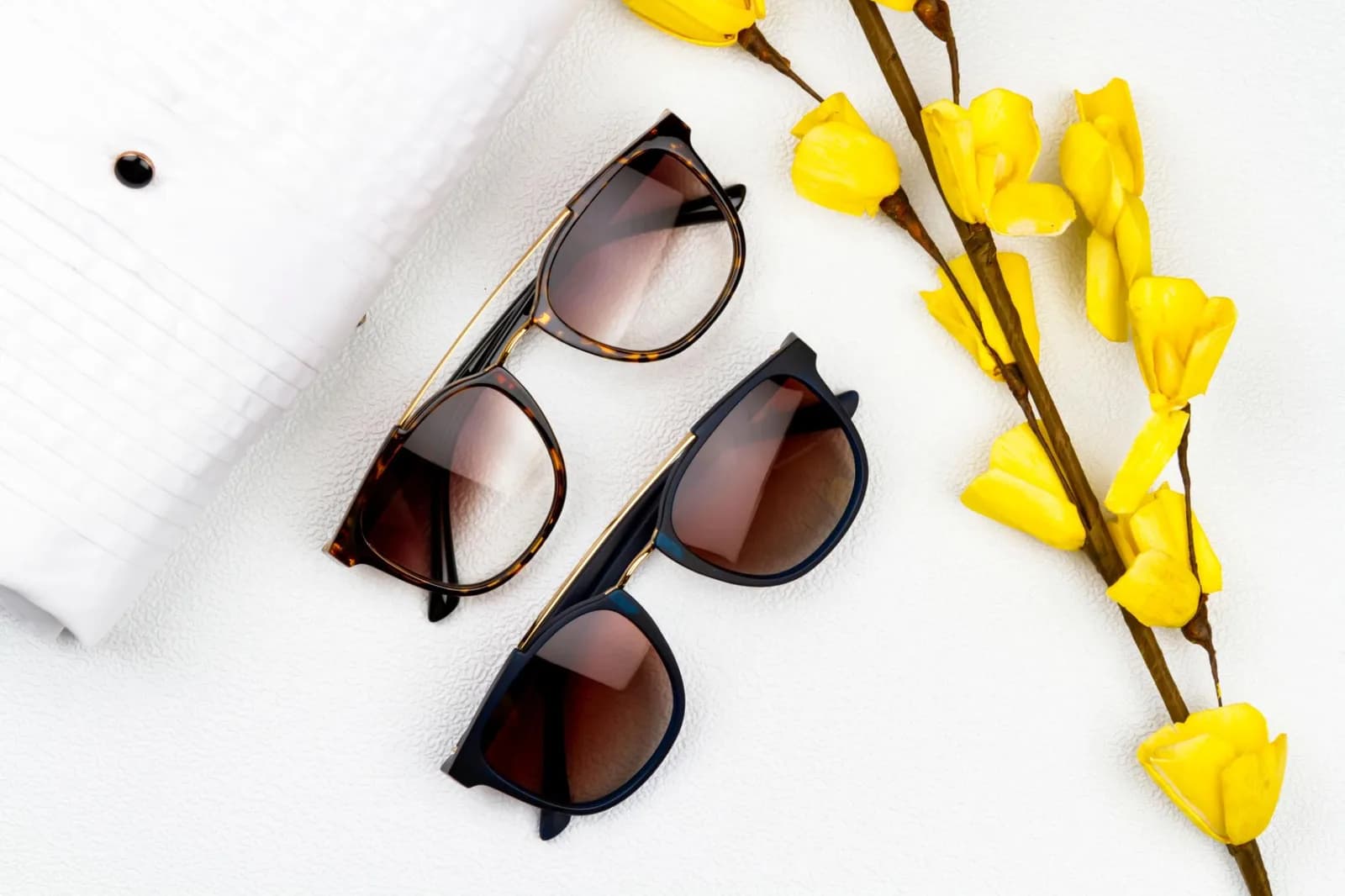
If you wear prescription glasses, you've got a couple of options — prescription sunglasses or clip-on polarized lenses that sit over your existing frames. Both work, though prescription sunglasses tend to be more comfortable for longer drives.
UV protection is non-negotiable. Driving exposes your eyes to UV for extended periods, especially on long road trips. Look for lenses that block 100% of UVA and UVB rays. The Nayanva eyewear guide covers this in detail if you want a deeper breakdown of what UV ratings actually mean and which lens types offer the best protection for road use.
And for what it's worth — bigger lenses are generally better for driving. More coverage means less peripheral glare, which is a real comfort difference on sunny days. You don't need to spend a lot to get a solid pair of driving sunglasses, but it's worth spending time understanding what you're actually buying.
Safety Tips
- • Meet in a public place
- • Don't pay in advance
- • Check the item before buying
- • Beware of deals that seem too good
Approximate location