1 / 2
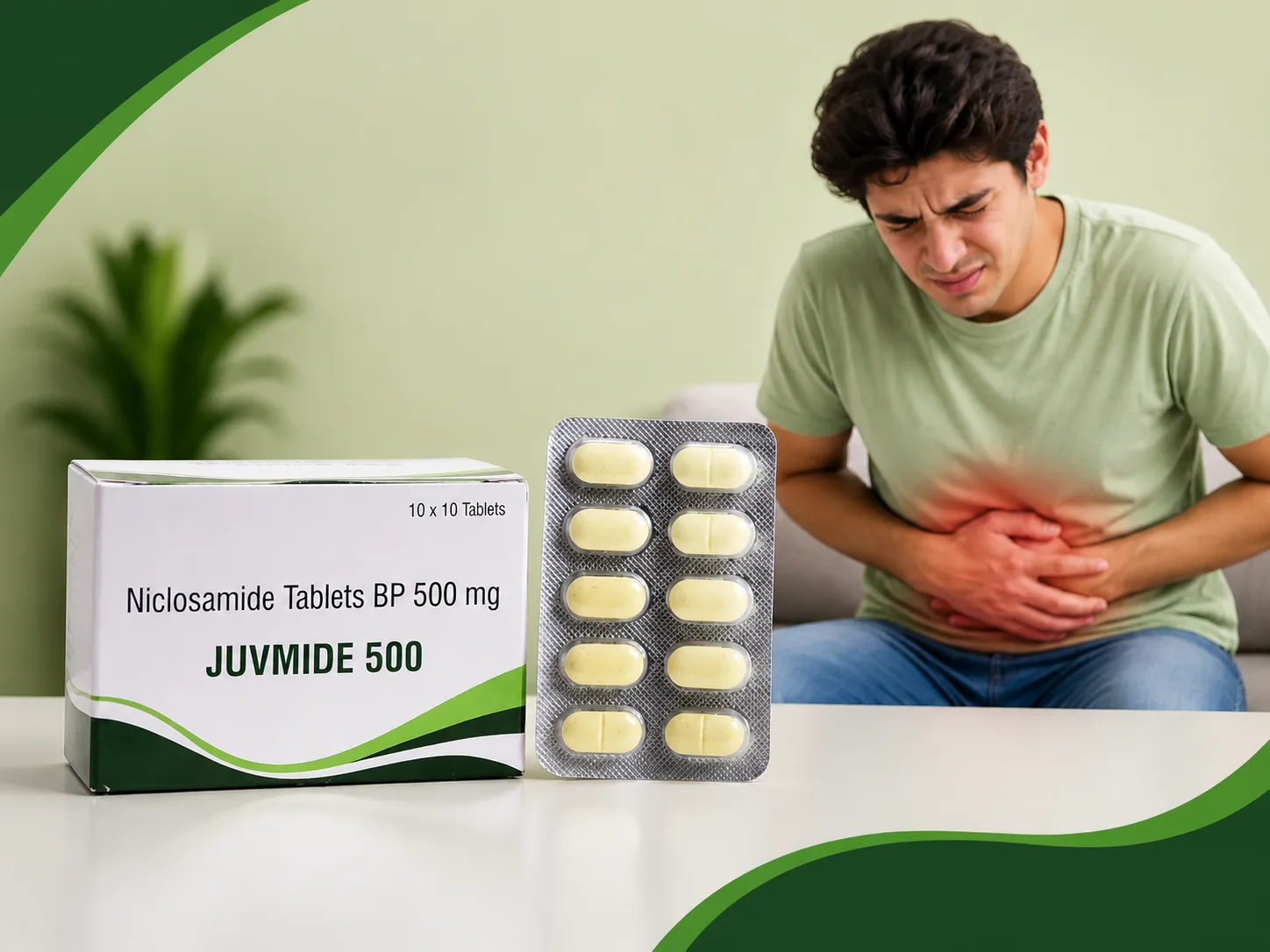
Niclosamide 500 mg for Tapeworm Infections
southwest TX, Texas, US
Posted 43 views
Niclosamide 500 mg is an antiparasitic medicine used to treat certain tapeworm infections. It works mainly inside the intestine by interfering with the tapeworm’s energy production, which causes the parasite to die and pass out of the body. The exact dose and treatment schedule depend on the type of tapeworm and should be determined by a healthcare professional.
Uses of Niclosamide 500 mg
Tapeworm infections: It is used against certain intestinal tapeworms, including some Taenia species.
Fish tapeworm infections: It may be prescribed for infections caused by Diphyllobothrium species.
Dwarf tapeworm infections: Niclosamide may also be used for certain Hymenolepis infections.
How Does It Work?
Niclosamide acts directly against susceptible tapeworms in the digestive tract. It interferes with their ability to produce energy, helping kill the parasites so they can be eliminated from the intestine.
Important Points
Take niclosamide exactly as directed by a healthcare professional.
The appropriate dose can vary depending on the parasite involved.
Treatment may require specific preparation or administration instructions.
Good hand hygiene can help reduce the risk of reinfection.
Follow-up may be recommended depending on the type of infection.
Niclosamide is intended for specific parasitic infections and should not be used for every type of worm infection.
Possible Side Effects
Some people may experience nausea, abdominal discomfort, diarrhea, dizziness, or headache. Side effects are often mild, but persistent or severe symptoms should be discussed with a healthcare professional.
FAQs
What is Niclosamide 500 mg used for?
It is an antiparasitic medicine used primarily for certain intestinal tapeworm infections.
Does niclosamide treat all worm infections?
No. It is mainly effective against specific tapeworms and is not suitable for every type of parasitic infection.
How should Niclosamide 500 mg be taken?
Follow the exact instructions provided by your healthcare professional or product labeling.
Can tapeworm infections come back?
Reinfection can occur. Proper hygiene, food safety, and addressing the source of infection can help reduce the risk.
Safety Tips
- • Meet in a public place
- • Don't pay in advance
- • Check the item before buying
- • Beware of deals that seem too good
Approximate location