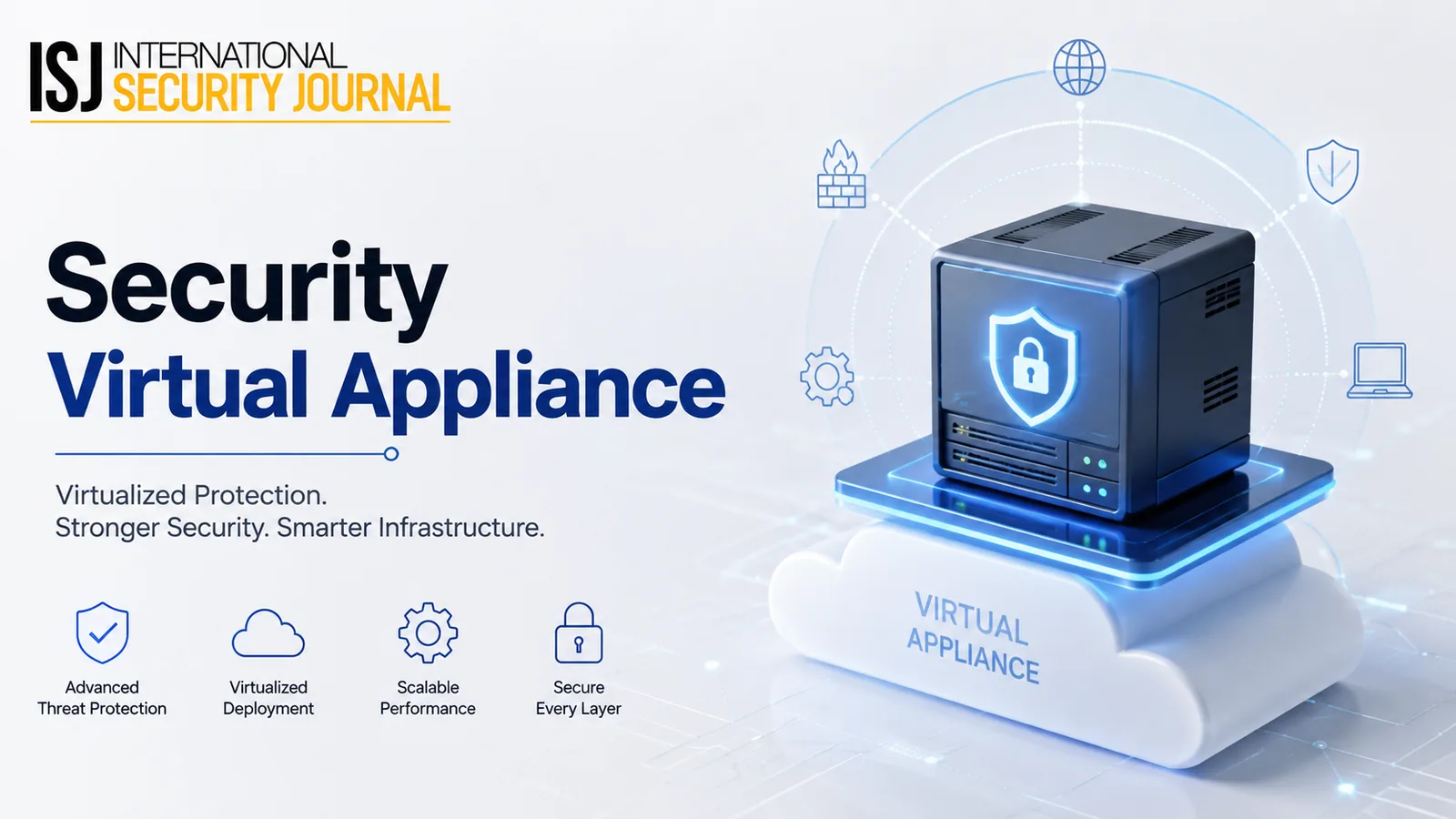
What Is a Security Virtual Appliance and How Does It Work?
Manchester, United Kingdom, Europe
Posted 70 views
As businesses move toward cloud, virtualization, and hybrid IT environments, traditional hardware-based security is no longer the only option. A security virtual appliance delivers security capabilities such as firewall protection, intrusion prevention, VPN access, traffic inspection, and network monitoring through software.
But how does it actually work? This article explains how security virtual appliances operate within virtualized environments, their key features, benefits, common use cases, and how they compare with physical security appliances.
A useful resource for IT and security professionals looking to understand modern, software-defined approaches to cybersecurity.

Safety Tips
- • Meet in a public place
- • Don't pay in advance
- • Check the item before buying
- • Beware of deals that seem too good
Approximate location